
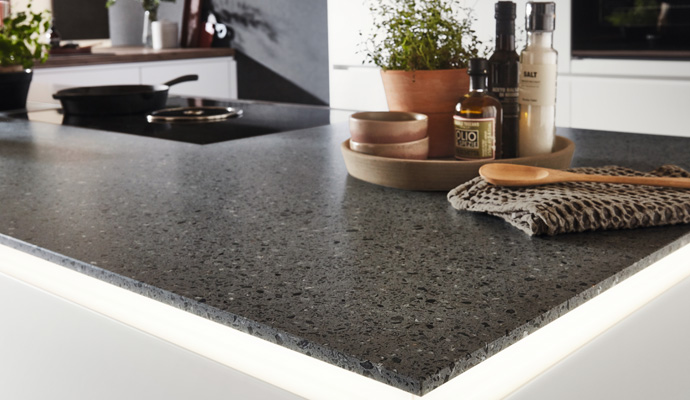
Renovating a tiled kitchen countertop is not only a practical way to give your kitchen a new look, but also an effective way to save time and money compared to completely replacing the tiles. The right paint can then withstand moisture, temperature fluctuations and frequent use, ensuring a long-term durability and a distinctive look. In this article, we will focus on a detailed step-by-step procedure for painting a tiled kitchen countertop, explain how to choose the right paints and products, and offer advice that will help you achieve a professional result even without the intervention of a professional.
Before you start painting, it is important to choose the right materials. A tiled kitchen countertop is a specific surface with high resistance and a smooth glaze, which, however, makes it difficult for paint to adhere. Therefore, it is essential to use products specifically designed for ceramics and similar non-porous materials. Manufacturers such as Primalex, Balakryl or Sniezka offer special renovation paints that have high adhesion, resistance to water, scratches and chemicals used in normal cleaning.
Key features of a suitable paint include:
For example, paints from Dulux or Tikkurila are known for their durability and color fastness, making them an excellent choice for kitchen environments. For better adhesion, it is advisable to first apply a primer, ideally from producers such as HET or Remal, which will prepare the surface and ensure better paint absorption. This is especially important if the tiles have a very smooth surface that could otherwise repel the finish.
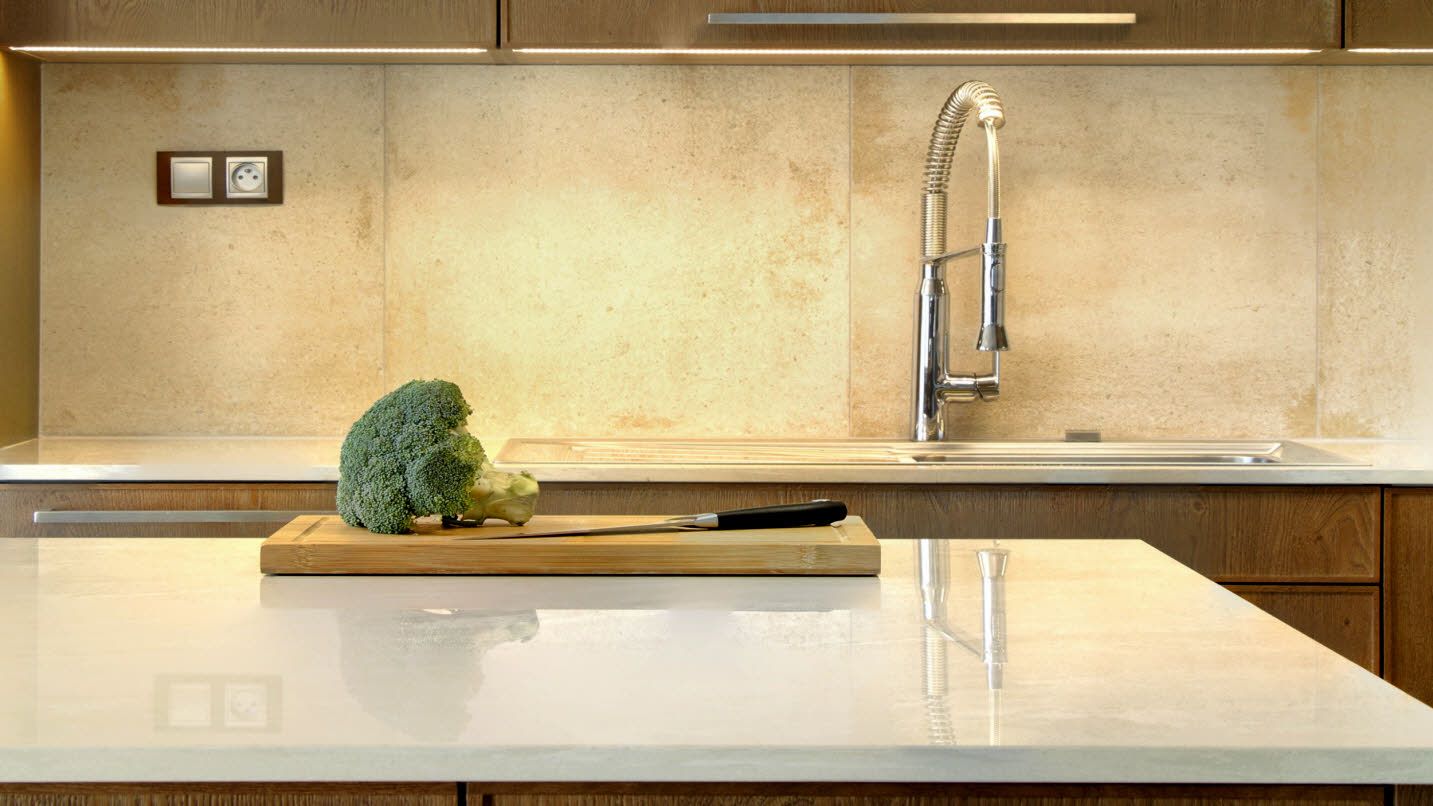
Surface preparation is a key aspect of successfully painting a kitchen worktop. Start by thoroughly removing all dirt, grease and old residues that could impair the adhesion of the paint. The most suitable method is to wash the tiles with warm water with the addition of detergent, for example Den Braven or Soudal offer cleaning agents that effectively remove grease but do not damage the ceramics. Then dry the surface thoroughly.
If there are cracks, scratches or worn joints on the tiles, it is advisable to repair these defects with a waterproof sealant. Special models from Balakryl or Luxol are available on the market, which provide a permanent and aesthetic repair after application. After the sealant has hardened, sand it smooth so that the new primer and color are even.
The next step is to briefly roughen the surface with sandpaper, for example with a grain size of 220 to 320. This procedure will increase the adhesion of the primer from brands such as Remal or HET. Finally, remove dust from the surface, ideally with a vacuum cleaner or a damp microfiber cloth.
A well-prepared surface is the basis for a durable and aesthetic coating that will withstand even intensive kitchen use.
Apply the primer with a brush in a thin, even layer. After drying, which can take from 6 to 12 hours depending on the product and environmental conditions, check the application and correct any local deficiencies. The exact drying time is indicated by the manufacturer on the packaging, sometimes it also depends on the humidity and temperature in the room. You can also use products labeled „for ceramic surfaces“ from Sniezko or Tikkurila, which ensure long-term adhesion and protection against moisture.
After the primer has dried, it is time for the final coat of paint. It is recommended to use a foam roller, which will ensure an even distribution of the paint and prevent unwanted streaks or overflows. For details, especially the joints between the tiles, a small brush is ideal, which you can use to precisely apply the paint even in the smallest spaces. For better coverage, start painting the joints and joints, then continue with large areas of the tiles.
If you are working on a countertop, proceed systematically, centimeter by centimeter, to ensure that every piece is carefully covered. Respect the drying time specified by the manufacturer between each coat (usually 12 to 48 hours). To obtain full coverage and long life, spraying will usually require two or more coats. Always apply multiple coats in a thin layer, this will ensure better adhesion and resistance of the paint.
You can use painter’s tape to protect the surrounding parts of the countertop or screen that will remain unpainted while working. After the last coat of paint, let everything dry for at least 24 hours, and then carefully remove the tape – no later than within 30 minutes to prevent the paint from peeling.
The manufacturer Soudal offers a wide range of products that are suitable for preparing and painting kitchen tiles. For the base coat, Remal primer with high adhesion is suitable. For the actual application of paint, renovation paints from Primalex and Balakryl are suitable. These brands are characterized by good coverage and resistance to moisture and damage. For final polishing and increasing gloss, special varnishes from HET or Dulux can also be used.
Working with a tiled kitchen countertop requires some care and adherence to recommended procedures. Common mistakes include insufficient cleaning of the substrate, too thick a layer of paint or ignoring the drying time between layers. These mistakes can lead to peeling, unsightly unevenness or reduced surface resistance.
It is also important to maintain the temperature and humidity in the room where the painting is taking place. The ideal conditions are a temperature of 20 to 25 °C and a humidity of up to 70%, so that the paints dry properly and form a solid film. There are several other tips – for example, painting in daylight for better control of the shade and uniformity, or not forgetting to remove the painter’s tape in time to avoid damaging the fresh paint.
Similarly, it is advisable to take care of the painted surface even after the work is completed. Avoid aggressive cleaning agents and use only mild detergents, for example from Soudal or Den Braven, which clean thoroughly and do not damage the paint. With proper care, your tiled kitchen countertop will serve for many years without the need for further renovation.

